 By
By 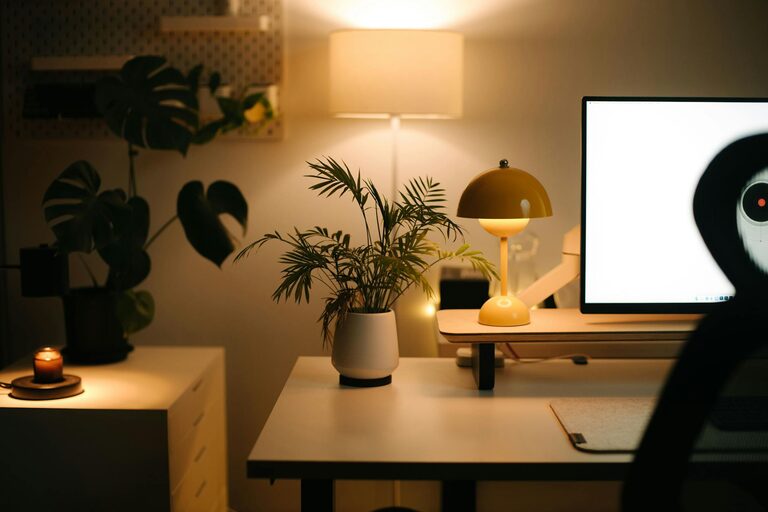
Creating a relaxing home office environment is essential for maintaining focus, reducing stress, and boosting productivity. Whether you work full-time from home or need a dedicated workspace for occasional tasks, the atmosphere of your office can make a significant difference in how efficiently and comfortably you work. This blog post will guide you through practical tips to design a peaceful and productive home office.
Why a Relaxing Workspace Matters
A stressful or cluttered workspace can cause distractions, reduce motivation, and lead to burnout. On the other hand, a calming environment fosters creativity, concentration, and a positive mindset. Taking the time to design your home office with relaxation and productivity in mind can improve your work quality and overall well-being.
Choose the Right Location
Find a Quiet Spot
Select a part of your home where you can work without frequent interruptions. If possible, choose a room with a door to separate work from home life, which helps maintain focus and sets clear boundaries.
Consider Natural Light
Natural light is known to improve mood and alertness. Set up your workspace near a window to enjoy daylight. Position your desk to avoid glare on your computer screen while still benefiting from sunlight.
Design for Comfort and Efficiency
Invest in Ergonomic Furniture
Comfort is key to maintaining productivity throughout the day. Choose an ergonomic chair that supports your posture and prevents back pain. A desk at the right height helps maintain a natural wrist position and reduces strain.
Organize Your Desk Layout
Keep frequently used items within reach to minimize distractions. Use desk organizers, trays, or storage boxes to keep supplies neat and accessible. A tidy desk reduces visual clutter and promotes a sense of calm.
Incorporate Soothing Colors and Decor
Choose Calming Colors
Colors affect mood and energy levels. Soft tones like blues, greens, or neutrals tend to promote relaxation and focus. Avoid bright, overly stimulating colors that may cause fatigue or anxiety.
Add Personal Touches
Include a few personal items such as plants, artwork, or photos that make you feel at ease. Green plants not only enhance aesthetics but also improve air quality and create a connection with nature.
Manage Noise Levels
Use Noise-Canceling Solutions
If your home environment is noisy, consider using noise-canceling headphones or white noise machines to block distractions.
Play Background Music
Soft, instrumental music or nature sounds can help some people concentrate better and reduce stress. Experiment to find what works best for you.
Maintain Proper Lighting
Balance Ambient and Task Lighting
In addition to natural light, use a combination of overhead lights and task lighting. Adjustable desk lamps help reduce eye strain when reading or working on detailed tasks.
Avoid Harsh or Flickering Lights
Harsh lighting can cause headaches and reduce comfort. Choose bulbs that emit soft, warm light to create a soothing atmosphere.
Establish a Routine and Set Boundaries
Create Consistent Work Hours
Having regular start and end times helps distinguish your workday from personal time, allowing your mind to relax when work is done.
Limit Distractions
Communicate your work schedule with family or roommates and use “do not disturb” signs if needed. Turn off non-essential notifications on devices during work hours.
Keep the Space Clean and Clutter-Free
Regular Cleaning
Dusting and cleaning your workspace regularly prevents allergens and keeps the environment pleasant.
Declutter Often
Remove unnecessary items and files that pile up over time. A minimalist workspace promotes clarity and reduces mental clutter.
Add Elements That Encourage Breaks
Include a Comfortable Seating Area
If space allows, have a cozy chair or small sofa where you can take short breaks away from your desk.
Use Timers and Reminders
Implement techniques like the Pomodoro method, where you work in focused intervals with scheduled breaks. This prevents burnout and keeps your mind fresh.
—
Creating a relaxing home office environment is about more than aesthetics; it’s about building a space that supports your professional and personal well-being. By choosing the right location, designing for comfort, managing light and noise, and keeping the area organized, you’ll set yourself up for a more productive and enjoyable workday at home. Start with small changes and adjust your setup until it feels just right for you.