 By
By 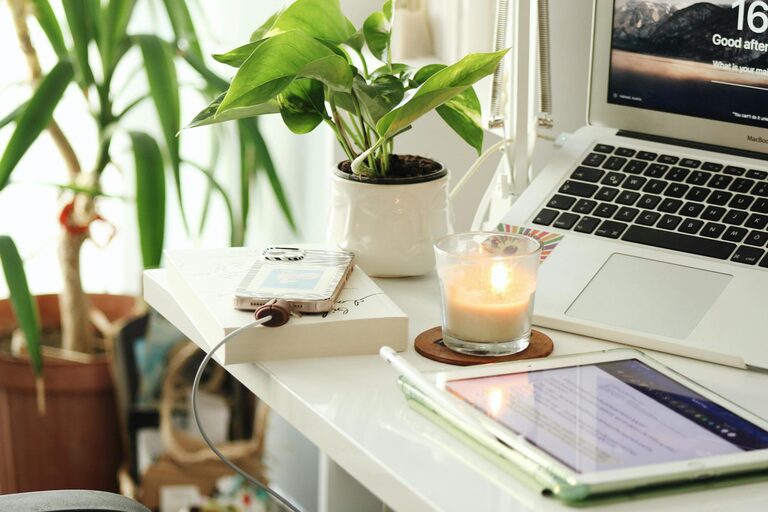
Creating a productive home office environment is essential for anyone working remotely or spending significant time at home on professional tasks. A well-designed workspace can improve focus, reduce distractions, and make workdays more enjoyable. Whether you have a dedicated room or just a small corner, these tips will help you create a functional and inspiring home office tailored to your needs.
Choose the Right Location
Selecting the right spot for your home office is the first step toward productivity. Ideally, pick a quiet area away from household traffic, noise, and distractions. If space is limited, try to carve out a small nook that you can designate exclusively for work. Natural light is a bonus, so if possible, position your desk near a window to help boost energy and improve mood.
Invest in Ergonomic Furniture
Comfort matters when you spend hours working. Invest in a good office chair that supports your posture and encourages sitting with your back straight. Pair it with a desk that suits your height and allows you to keep your wrists and elbows in a comfortable position. Adjustable desks that let you alternate between sitting and standing are also great for reducing fatigue.
Organize Your Space
Clutter can interfere with concentration, so maintaining an organized workspace is important. Use shelves, drawers, or filing cabinets to store documents and office supplies neatly. Keep only what you need on your desk to minimize distractions. Consider cable management solutions to keep cords tidy and out of the way.
Use Storage Solutions
– Desk organizers for pens, paper, and small items
– Filing trays or boxes for paperwork
– Wall-mounted shelves to save desk space
– Drawer dividers to separate supplies
Optimize Lighting
Proper lighting is key to reducing eye strain and maintaining alertness. Combine natural light with task lighting such as a desk lamp that can be adjusted to your preferred brightness and angle. Avoid harsh overhead lighting that can create glare on your screen.
Minimize Noise and Distractions
Noise can break your concentration, so try to minimize it as much as possible. If your home is noisy, consider using noise-canceling headphones or a white noise machine. Communicate with family members or roommates about your work hours to reduce interruptions.
Personalize Your Workspace
Adding personal touches can make your home office more inviting and motivating. Incorporate items that inspire you such as photos, plants, or artwork. Greenery not only decorates but has been shown to reduce stress and improve air quality.
Establish a Routine
Having a clear daily routine helps your brain transition into work mode. Set regular work hours and try to start your day with the same morning rituals you have when going to an office. Taking scheduled breaks is just as important — stand up, stretch, and move around to refresh your focus.
Ensure Technology is Reliable
Having a fast, stable internet connection and functioning equipment is crucial. Test your computer, printer, and any other devices regularly to avoid interruptions. Use tools and apps that help with productivity, like task managers or communication platforms, to streamline your workflow.
Maintain Good Air Quality and Temperature
Comfort includes physical environmental factors like air quality and temperature. Open windows when possible, use air purifiers if needed, and keep the room temperature moderate. A comfortable environment reduces discomfort and keeps you alert longer.
Keep Healthy Habits in Mind
When working from home, it’s easy to forget about posture, breaks, and hydration. Set reminders to drink water and follow the 20-20-20 rule: every 20 minutes, look at something 20 feet away for 20 seconds to reduce eye strain. Incorporate light stretching or brief exercise to boost circulation.
—
With these tips, you can create a home office environment that supports your productivity and well-being. Remember that small changes add up, and tailoring your space to fit your preferences will make working from home a more pleasant and effective experience.